Jewellery Portfolio: Pieces Made in Our Hatton Garden Workshop
Browse by metal, diamond shape, carat and category. Every piece carries full material specifications.
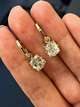
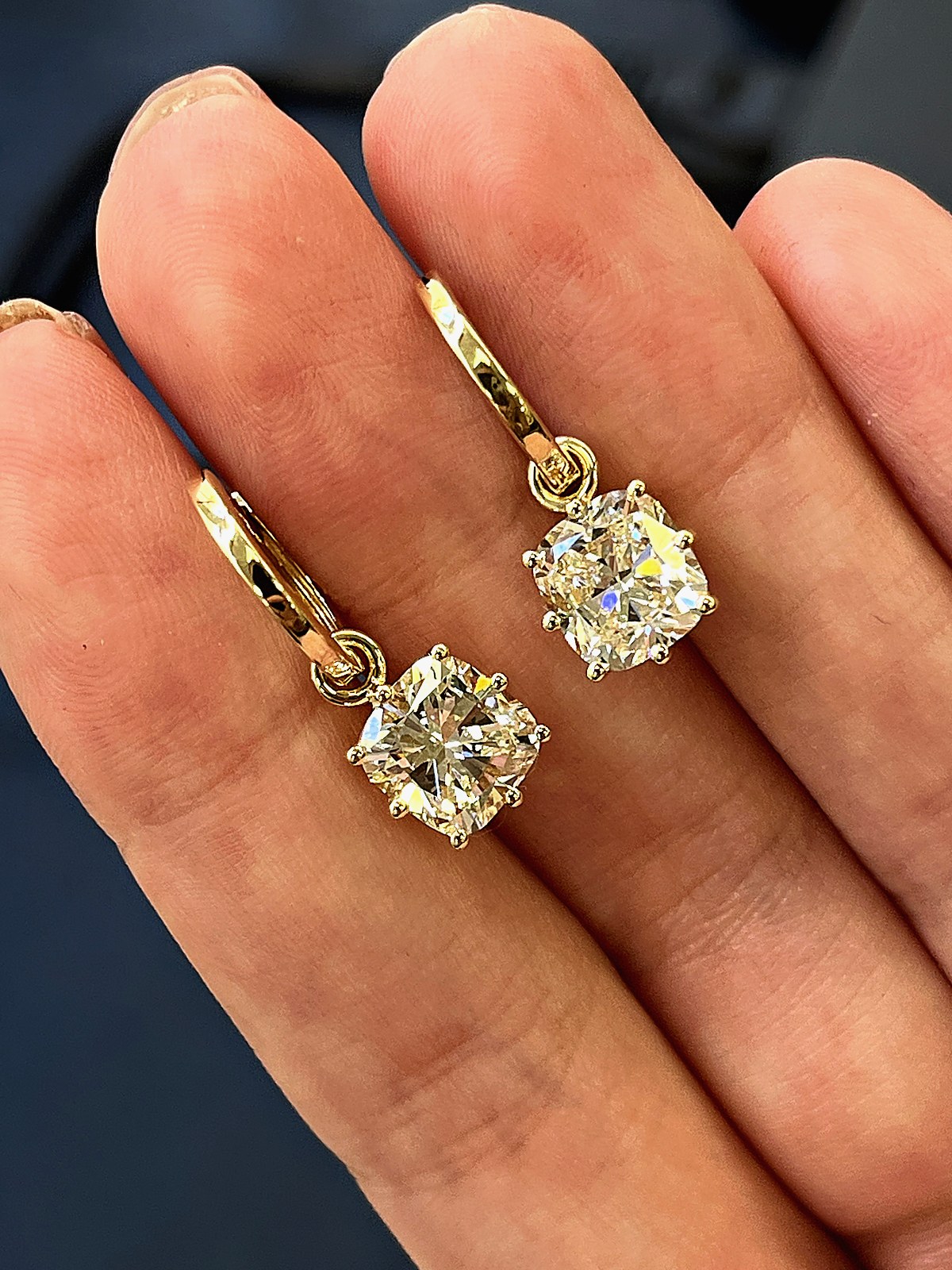

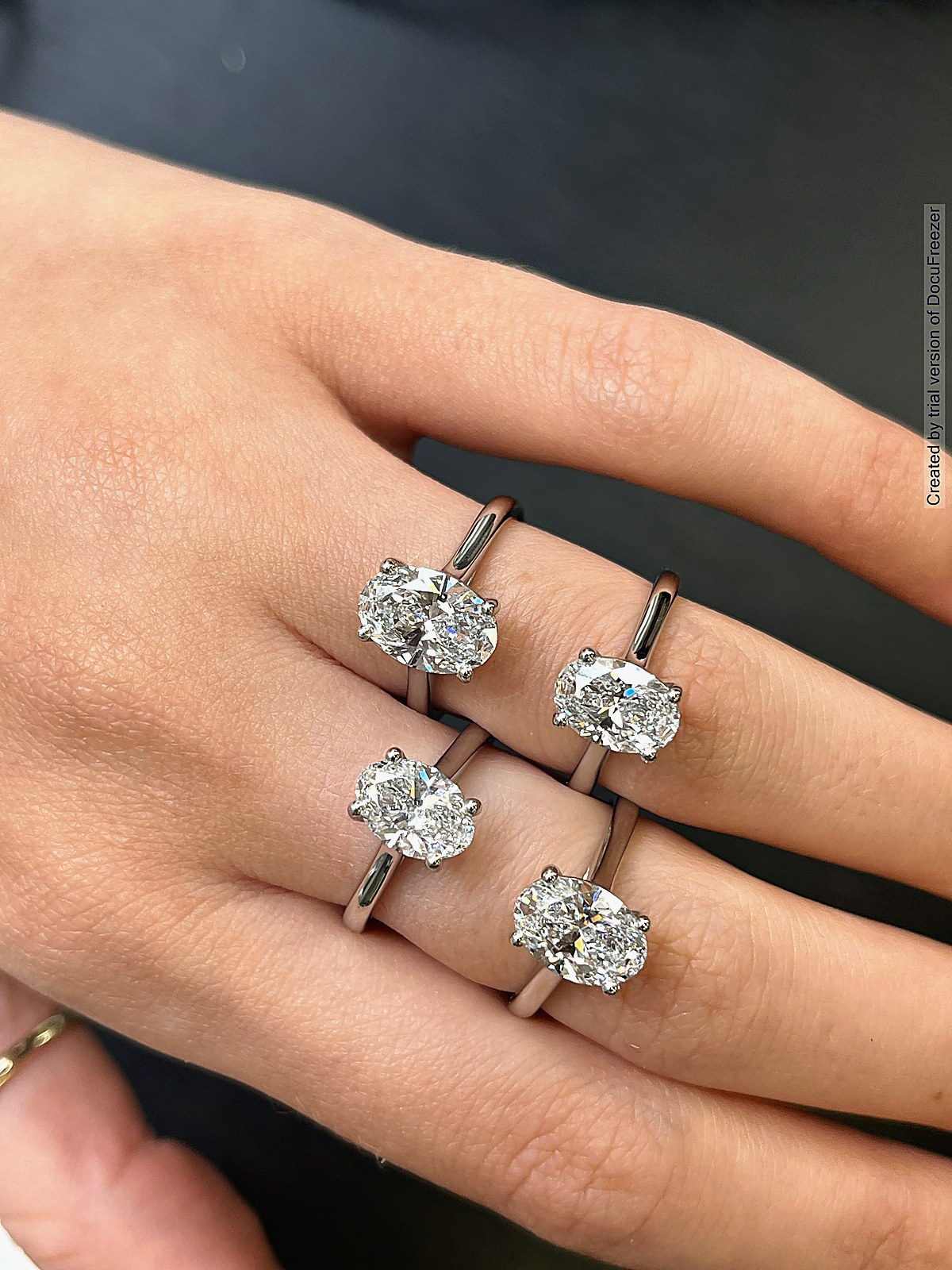

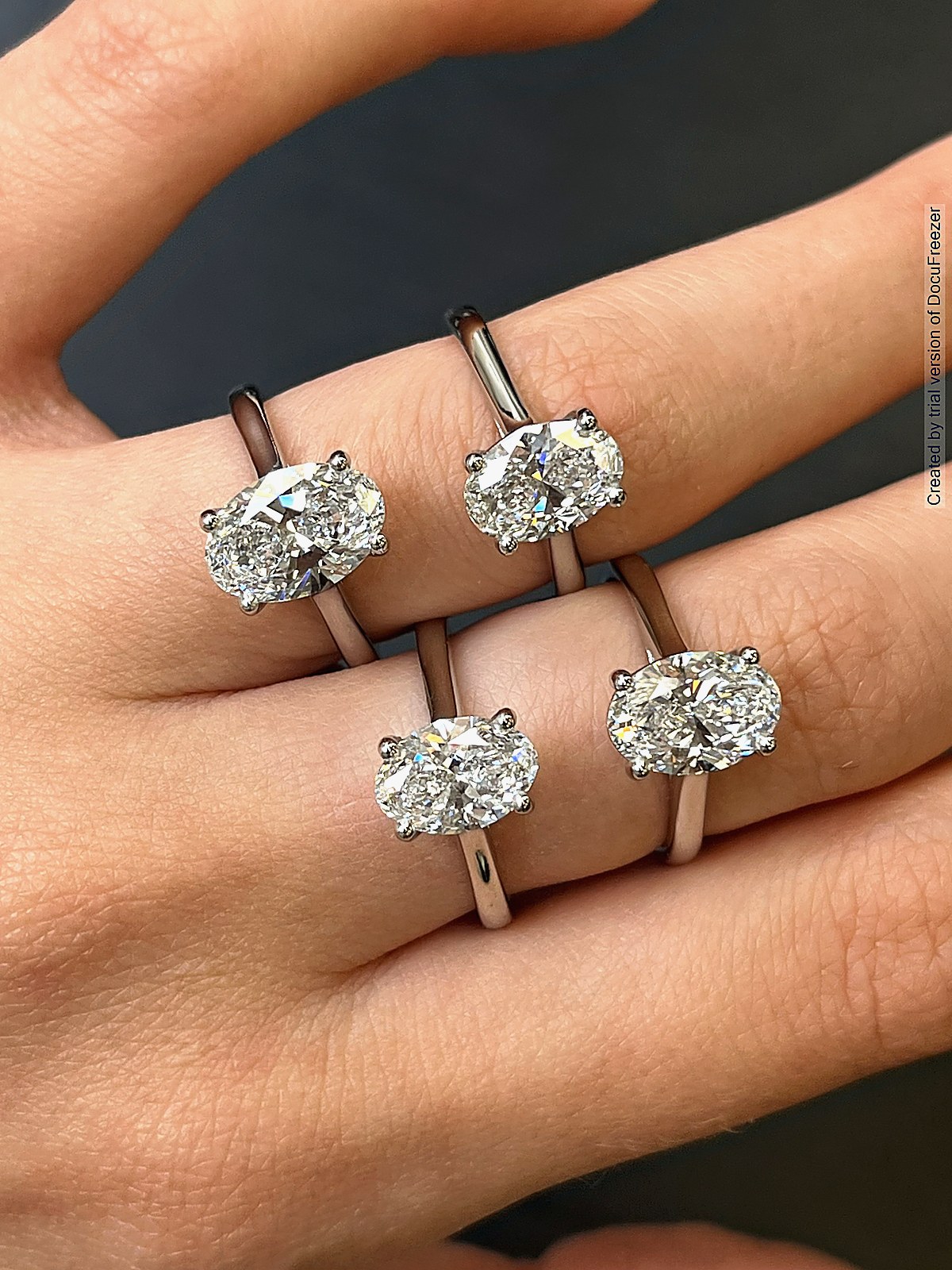

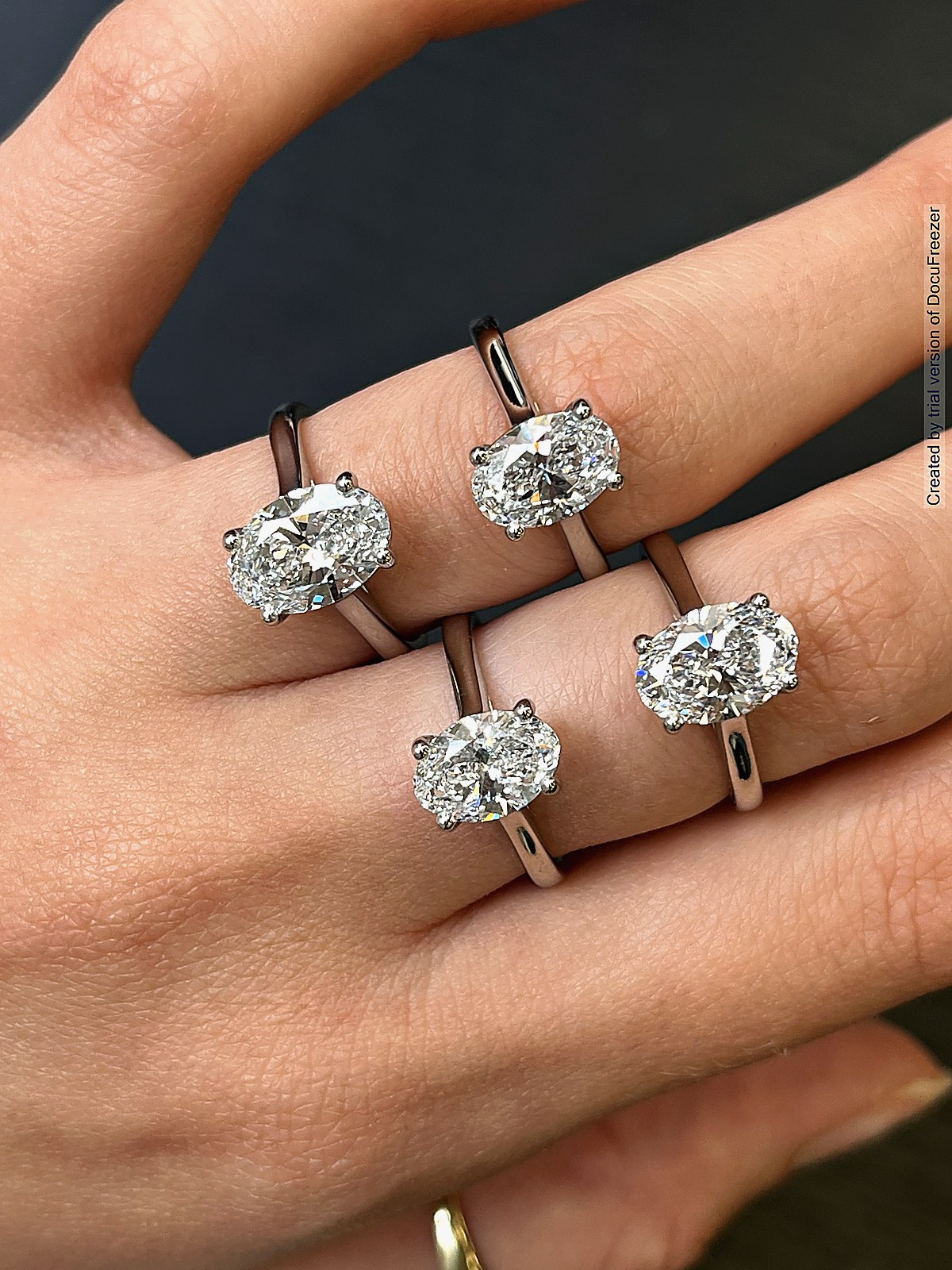

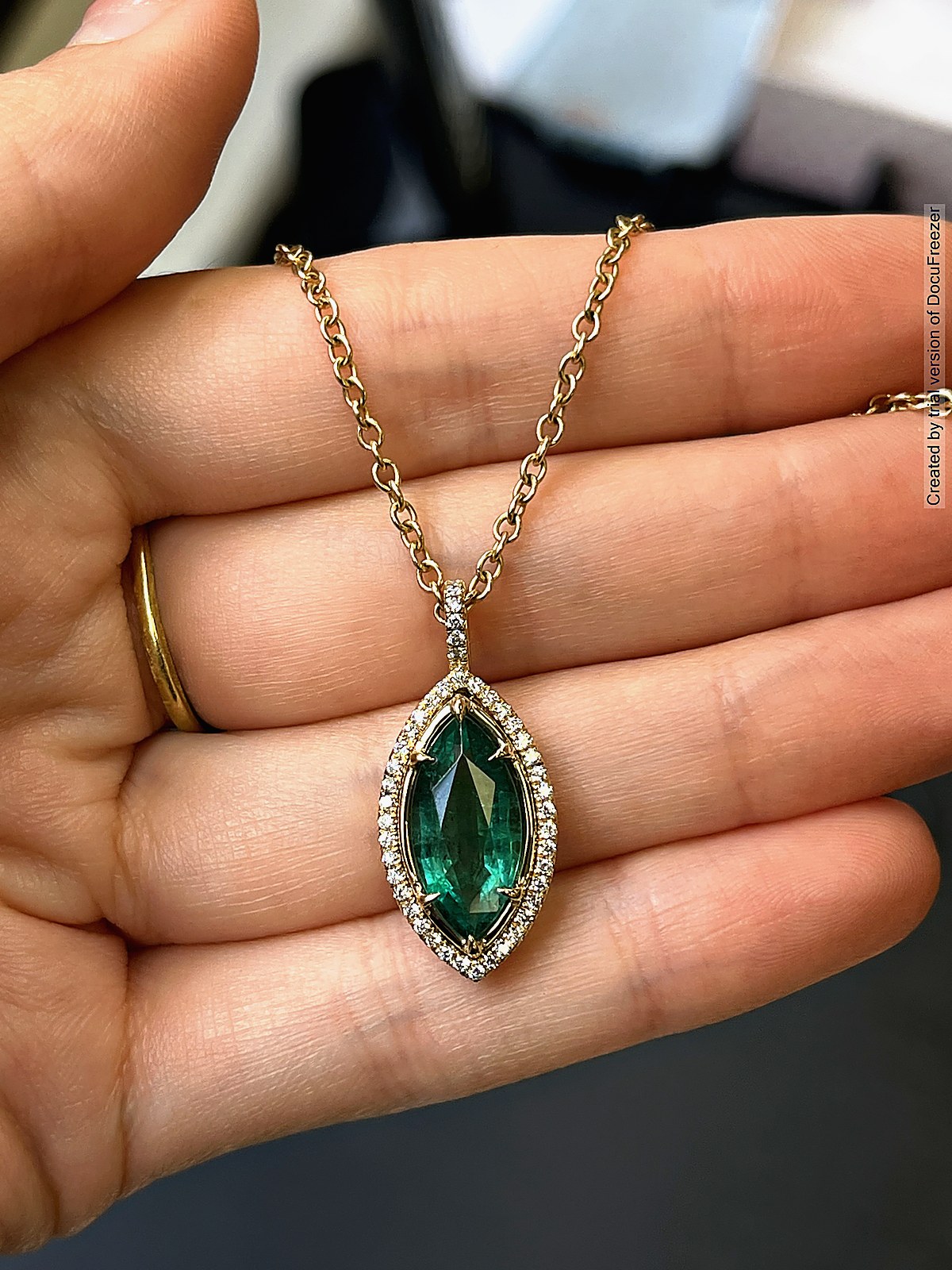
What the gallery shows
Every piece here was made in our Hatton Garden workshop rather than bought in, so what you see is our own work from end to end: the CAD model, the cast metal, the setting and the final polish. The collection mixes engagement rings, wedding bands, necklaces, earrings, pendants and bracelets, photographed and filmed as they left the bench. Each entry carries its specifications, metal, diamond shape, carat weight and category, because trade buyers and private clients both need to know what a piece is made of before asking what it costs. Use the filters to narrow the gallery by metal, stone shape or carat band.
Materials and stones we work in
The bench works in 18k white, yellow and rose gold, platinum, palladium and silver, always finished to UK standards. Stones are GIA-certified diamonds, natural or lab-grown, chosen for cut and proportion before size, and we set sapphires, rubies and emeralds where a client wants colour. Shapes run from round brilliant and oval through cushion, emerald, asscher, pear, marquise, radiant and princess. If you already own a stone, or want an heirloom reset, we measure and document it first and design around its real dimensions.
How a piece gets made
A commission starts with a brief and a conversation about budget and date, then moves into CAD design, where the piece is modelled and rendered from every angle until you approve it. Nothing is cast before that approval. Approved designs go to lost-wax casting in the chosen metal, then to diamond setting, where the seats and claws are cut for the exact stone, and finally to polishing, assay and UK hallmarking. Most bespoke jewellery commissions run two to four weeks from approved design.
How to read the portfolio specifications
Start with the category, then compare the metal, diamond shape and carat information shown with an entry. A category describes the kind of jewellery, not its dimensions or how it will feel when worn. The metal label identifies the material recorded for that piece. Colour in a photograph can vary with lighting and reflections, so use the written specification rather than the apparent shade of a screen image when describing a preference.
Diamond shape describes the outline, such as round, oval or emerald. It is not the same thing as a cut grade, and a shape label does not by itself tell you a stone’s proportions, colour or clarity. Two stones with the same outline can look different when set. If a particular silhouette interests you, explain whether it is the outline, the proportions of the setting or the relationship between the stone and the band that caught your attention.
Carat is a measure of gemstone weight, not a measurement of the width of a ring or a guarantee of how large a stone will look. Check whether a description refers to a centre stone or to combined stone weight; if that distinction is not shown, ask rather than assume. Likewise, a photograph does not establish a ring size, metal weight or grading report. Missing information is a question to take into your enquiry, not something to infer from another entry.
Turn an example into a useful design brief
Use the gallery to identify details, rather than treating one image as a complete specification. You might prefer the outline in one piece, the band profile in another and the colour of a third. Note those choices separately and explain how you expect to wear the finished jewellery. A front view can communicate the overall arrangement, while another angle or a video may help you describe the height, side profile or relationship between adjoining parts.
For a trade enquiry, distinguish the features you want to repeat from those that may change between versions. For a personal commission, describe what matters most to you, even if you do not know the technical term. An image reference is a starting point for a conversation, not confirmation of a particular stone’s availability, an agreed quotation or the feasibility of a proposed change. Those details need to be discussed for the new piece.
Before taking a reference forward, list the features that should remain unchanged and those you are happy to reconsider. If the gallery does not show a side view or a particular measurement, make that an explicit question rather than filling the gap with a guess. A sketch with a few notes can communicate these distinctions just as clearly as a technical drawing. This also makes comparisons more useful: you are comparing a band profile with a band profile, or a stone outline with a stone outline, instead of assuming that two pieces with a similar front view share the same construction.
Take the next step from inspiration to a commission
The bespoke jewellery overview for private clients explains the commissioning route beyond the examples in this gallery. When you are ready, use the jewellery consultation enquiry to describe the piece, share the features you like and mention any existing stone or intended date. You can also list the decisions you are still considering. Clear questions are as useful as a finished sketch, and keep the discussion focused on your own piece rather than assumptions about an earlier commission.